 canela
 Why co-design is not a workshop, it is a relationship
A workshop can be part of co-design. It is not the whole practice. Co-design begins before the room and continues after the sticky notes are packed away.
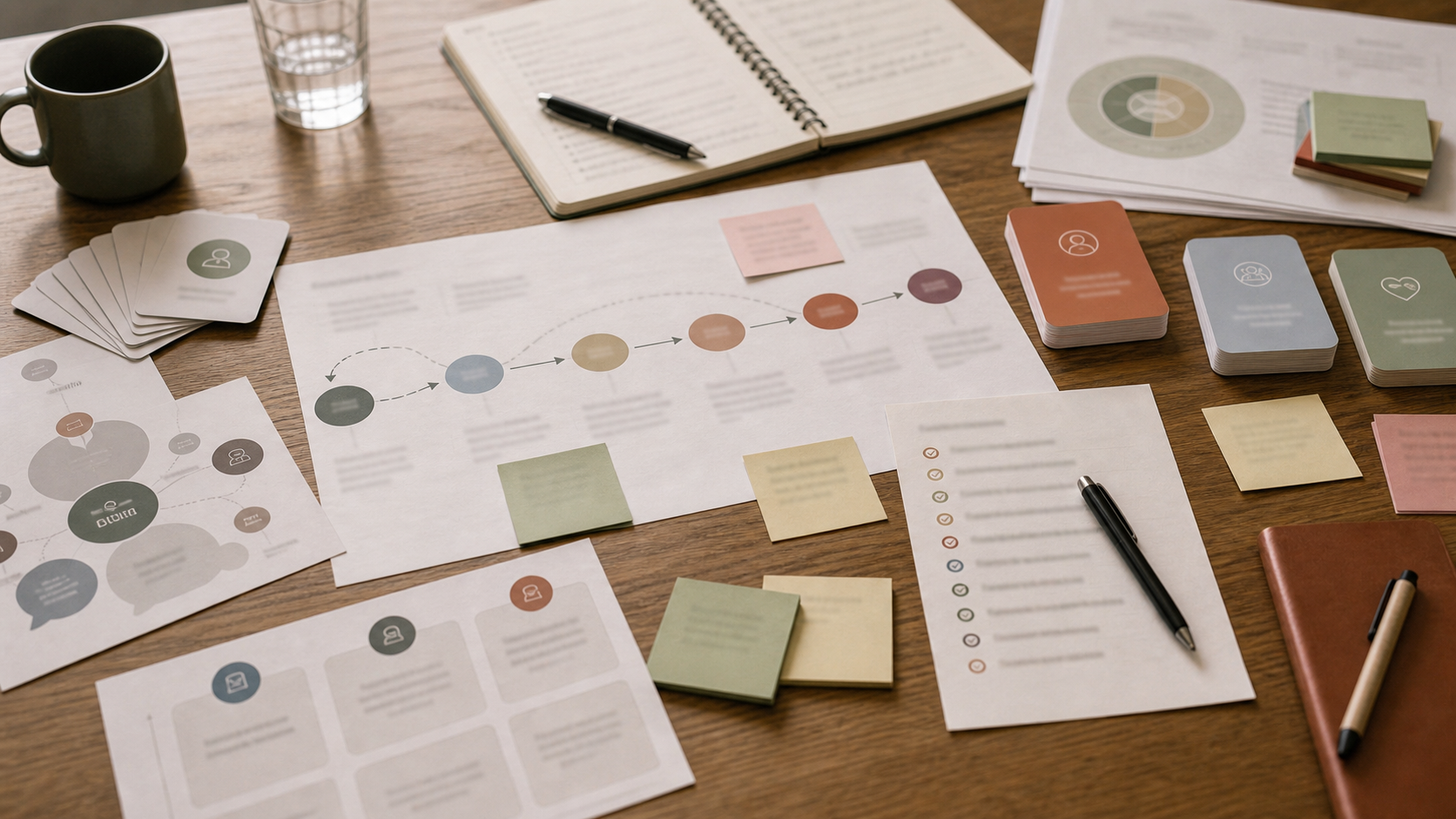
The work is relational: who sets the question, who has enough context to participate meaningfully, who is paid for their expertise, and who gets to decide whether the final product represents what was shared.
Co-design done well is slower than consultation and harder than a workshop. That is the point.
Most organisations approach co-design as a method: run the session, collect the input, build the thing. The community has been consulted. The boxes are ticked. What they miss is that real co-design is not a method — it is a disposition. A commitment to shared authority that begins with who sets the question and ends with who owns the outcome.
The question most organisations forget to ask: who is being paid? When a community member spends three hours in a workshop sharing expertise that informs a program their organisation delivers, who is compensated? If the designer is paid and the community member is not, the dynamic has already been settled. That is extraction, dressed as participation.
Consent is the second principle most co-design processes skip. Consent to participate in the process is not the same as consent to use what was shared. Real co-design builds in explicit moments where participants can review how their contributions are being used and flag when the representation has drifted from the original.
Shared authorship is what makes co-design different from user research. In user research, you gather information and go away to build something. In co-design, the people you are designing with are part of the build. Their names belong on the work. Their decisions shaped it. If the end product could have been built without them — it was user research, not co-design.
Canela uses co-design to build learning that carries the texture of real work. That means slowing down enough to notice trust, consent, risk and ownership — and naming them out loud instead of managing them around.